A Nurse Scientist’s Experience with the Environmental Health Research Institute for Nurse and Clinician Scientists (EHRI-NCS)
Occupational health nursing, environmental health, and work at the human-animal interface are closely connected. Many workers, particularly in agriculture and animal-related industries, experience environmental and zoonotic exposures first. Occupational health nurses translate these risks into practical prevention strategies that protect workers, communities, and public health.
For Natalie Rejto, PhD, RN, a graduate of the Northwest Center for Occupational Health and Safety (NWCOHS) Occupational Health Nursing (OHN) training program, participation in EHRI-NCS was a natural next step in her journey as a nurse scientist focused on health at the human-animal-environmental interface.
Natalie was first introduced to the program through Julie Postma, another alum of the NWCOHS OHN program and fellow nurse scientist. The program is designed to specifically support emerging nurse and clinician scientists working at the intersection of environment and health.
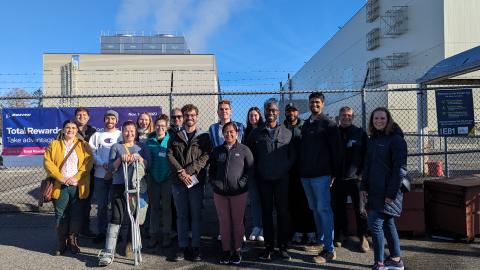
“What stood out to me was the breadth of people involved and the range of research being shared,” Natalie reflected. “There were participants at different stages—some in PhD programs, some faculty—and everyone was learning from each other.”
From Training to Impact: A Zoonotic Disease Prevention Project
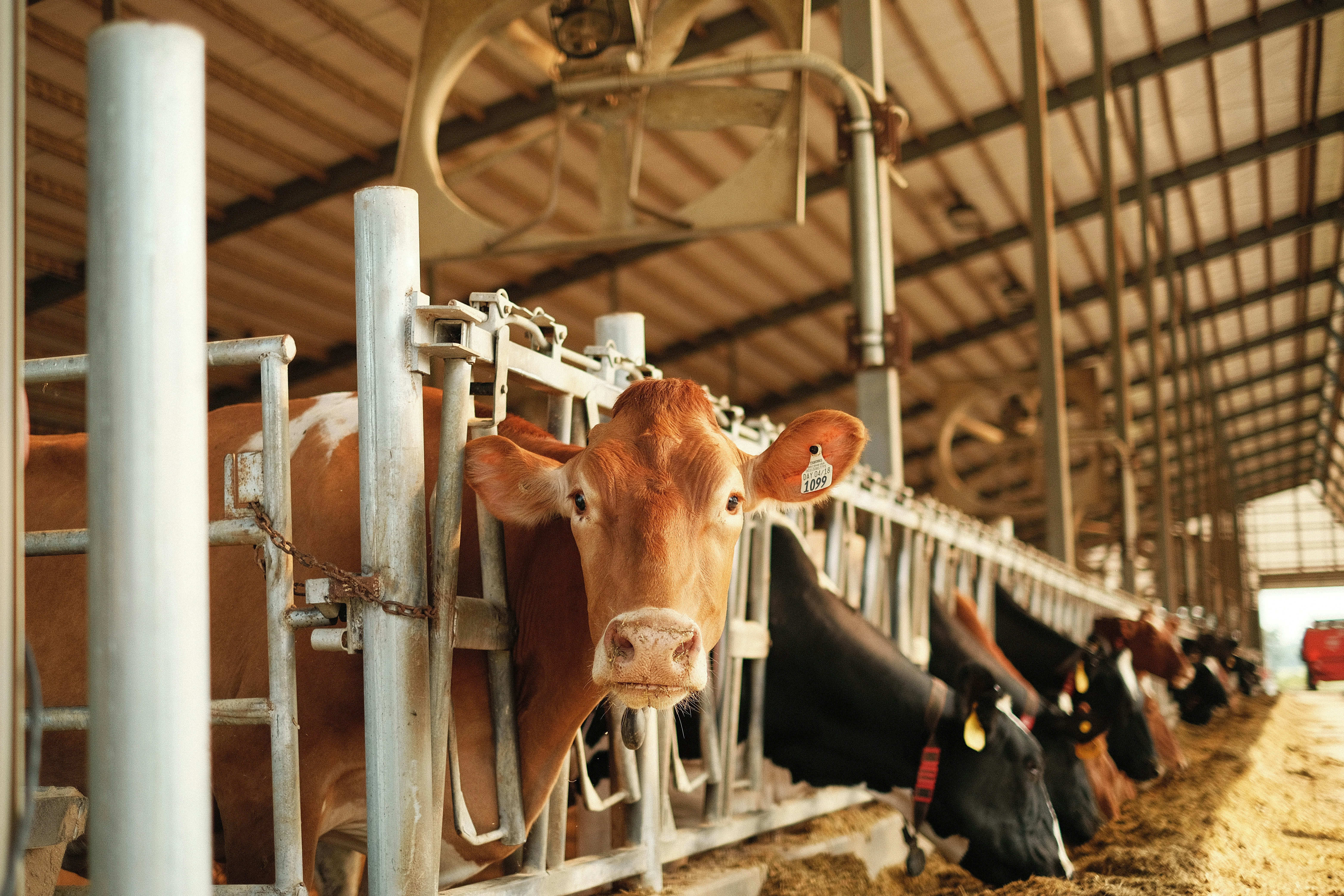
As part of the EHRI-NCS with support from mentor Shawna Beese, PhD, RN, Natalie’s deliverable was to develop a manuscript focused on zoonotic disease prevention on dairy farms, grounded in infection prevention planning and practical application. The manuscript was based on a larger project Natalie is working on under the mentorship of Dr. Peter Rabinowitz and Vickie Ramirez in the Center for One Health Research. The project included the development of a survey assessing knowledge, perception of zoonotic diseases, occupational preventive practices, and barriers related to infection control and prevention on dairy farms. Funding and support for this project has been provided by the State of Washington, Department of Labor & Industries, Safety & Health Investment Projects.
“This was not theoretical work,” Natalie explained. “It was designed to be practical, collaborative, and directly applicable to improving infection prevention and control efforts in real-world settings.”
Strengthening Research Skills and Clarifying Direction
EHRI-NCS also supported professional development through activities focused on career cartography, helping participants clarify long-term goals and identify the research methods and experiences needed to support those goals.
“That process helped me think more intentionally about my trajectory as a nurse scientist,” Natalie said. “It influenced how I think about methods and where I want to invest my time moving forward.”
Additional experience with innovative research approaches—such as non-invasive biomarkers for environmental exposures and citizen science models—expanded Natalie’s understanding of how environmental health research can be conducted and shared.
Making Environmental Health More Tangible
While EHRI-NCS didn’t fundamentally change how Natalie thinks about environmental health, it did make her thinking more tangible and actionable.
“The program helped me better understand how to harness environmental health concepts within research and health systems,” she said. She was particularly inspired by examples of citizen science, including early engagement with high school students, which reinforced the importance of making science accessible and participatory.
Advice for Future Applicants
Natalie is clear about who she would encourage to apply to EHRI-NCS:
“If you’re even considering environmental health as part of your work, this is an incredible opportunity,” she said. “It expands how you think about knowledge generation, methods, and collaboration.”
She described EHRI-NCS as a supportive learning environment where participants learn not only from faculty, but from one another’s experiences. “For me, it’s had a lifelong impact. It supported my trajectory as a nurse scientist and strengthened my confidence in the work I want to do.”
To learn more about the Environmental Health Research Institute for Nurse and Clinician Scientists program and how it supports emerging nurse and clinician scientists in environmental and occupational health, visit https://castnerincorporated.com/.
For more information on our ERC OHN graduate student program, visit our OHN website.